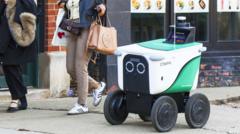
Delivery robots are flooding American cities, and residents are fighting back. Cities from San Francisco to Pittsburgh have seen organized protests and proposed bans as autonomous delivery vehicles clog sidewalks and disrupt foot traffic.
The backlash centers on safety and accessibility. Pedestrians report near-collisions with robots moving at unpredictable speeds. Disabled residents and parents with strollers say the machines force them into streets or around obstacles. "We had to get out of the way," one frustrated resident told BBC Business, capturing the sentiment driving growing opposition.
Companies like Waymo, Amazon's Zoox, and smaller startups Refraction AI and Marble have deployed thousands of these robots across the country. The vehicles operate with minimal regulation in most jurisdictions, creating a legal gray area. While tech boosters tout efficiency and reduced carbon emissions, communities grapple with infrastructure never designed for autonomous sidewalk traffic.
Several municipalities have acted. San Francisco tightened restrictions on robot operations in 2024. Pittsburgh residents launched petition campaigns. Other cities explore formal bans or require permits capping the number of operational units.
The friction reflects a broader pattern. Cities historically debate infrastructure changes before implementation arrives, not after. Delivery robot deployment reversed that process. Companies launched services at scale before substantial public input, forcing reactive policy rather than proactive planning.
Industry supporters argue regulation will slow innovation and leave cities without cleaner delivery options. Critics counter that companies should have engaged communities before saturating streets with untested technology.
This standoff will shape how autonomous vehicles integrate into urban life. Whether cities maintain robot operations, impose strict limits, or ban them entirely signals how American municipalities balance tech adoption against resident welfare.