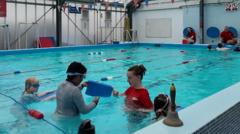
A new Water Safety Forum launches in UK primary and secondary schools this autumn, addressing gaps in aquatic instruction nationwide. The swim club pushing the initiative wants water safety embedded as standard curriculum content rather than optional enrichment.
The move reflects growing concerns about drowning rates among young people. Despite Britain's island geography and extensive recreational water access, many schools lack dedicated water safety instruction beyond basic swimming lessons. The forum will provide training resources, lesson frameworks, and expert guidance to educators unfamiliar with teaching water hazard awareness, rescue techniques, and survival skills.
Water safety advocates argue that traditional swimming lessons focus on strokes and technique without adequately preparing students for real-world scenarios. Panic responses in cold water, currents, and sudden immersion require specific behavioral training distinct from competitive swim instruction. The forum addresses this by offering evidence-based modules on water confidence, hazard recognition, and decision-making under stress.
Schools participating in the initiative gain access to curriculum materials, professional development for teachers, and partnerships with local swim clubs and water safety organizations. The program targets both strong and weak swimmers, recognizing that confidence gaps pose equal drowning risk across ability levels.
Participation remains voluntary during the launch phase, though advocates push for mandatory adoption. Cost considerations and competing curriculum priorities create implementation barriers. Some schools already integrate water safety through dedicated programs, but consistency remains inconsistent across regions.
The forum represents a shift toward preventative education rather than reactive drowning response. By professionalizing water safety instruction and removing it from the ad-hoc category, schools can build systematic competency among students. Autumn rollout timing allows schools to prepare staff and integrate modules before summer water season peak.