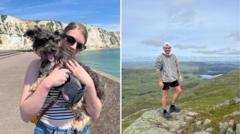
BBC Health taps into reader strategies for embedding a half-hour daily walk into routine life. The piece collects practical tactics from the audience, ranging from pre-breakfast dog walks to transit-based movement hacks like exiting the bus earlier than usual.
These micro-adjustments reflect a broader fitness trend anchored in achievable, low-barrier activity. The 30-minute walking target aligns with NHS and WHO guidance on moderate physical activity for cardiovascular health and mental wellness. Unlike gym memberships or structured exercise programs, walking requires minimal setup and zero equipment, making it accessible across age groups and fitness levels.
The reader-sourced approach gives the story credibility within health journalism. People share what actually works in their lives, not prescriptive advice from trainers. This crowdsourced angle taps into the wellness conversation dominating health media right now. Walking sits at the intersection of preventive medicine and lifestyle, appealing to both clinical health outcomes and the wellness industry's growth narrative.
The BBC framing treats walking as a habit-building challenge rather than a fitness chore. By featuring ordinary people's solutions, the outlet normalizes the behavior and removes intimidation. Whether it's morning dog duty or commute optimization, these tactics show that the 30-minute target doesn't demand life restructuring.
This story lands amid increasing attention to sedentary lifestyles and their metabolic costs. News cycles regularly report on sitting's health risks and walking's protective benefits. The BBC's practical angle serves readers seeking entry points into movement without high commitment or cost.