UK households face a 13% annual energy price increase following Ofgem's latest price cap adjustment. The regulator's decision pushes costs higher for millions of consumers already squeezed by inflation and stagnant wages.
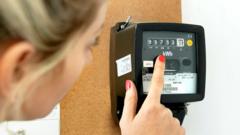
Ofgem urges households to read their own energy meters to ensure accurate billing. Manual meter readings prevent suppliers from issuing estimated bills, which often overcharge customers. The move reflects growing consumer frustration with inaccurate charges and billing disputes that have plagued the energy sector.
The price cap, which Ofgem adjusts quarterly based on wholesale costs and network expenses, now sits at its highest level in years. This hike compounds existing financial pressure on British households. Energy suppliers have faced criticism for relying on estimates rather than actual consumption data, leading to thousands of complaints about overcharging.
Industry experts point to volatile global gas markets and infrastructure costs driving the increases. However, suppliers continue to report record profits despite consumer hardship, fueling calls for stronger regulation and windfall taxes on energy companies.
By taking meter readings themselves, households can provide suppliers with real consumption data, reducing the likelihood of inflated bills. Ofgem's recommendation suggests the regulator recognizes systemic problems in how suppliers bill customers. The initiative represents a Band-Aid solution to deeper structural issues within the energy market.
Energy poverty remains a pressing concern as more households struggle to afford heating and hot water. Charities report increased demand for support services. Without intervention, the price cap increase threatens to push vulnerable populations further into energy debt during winter months.