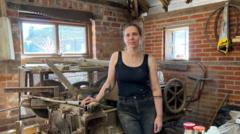
Tile makers across Europe face a crossroads as energy costs and supply chain disruptions threaten centuries-old craft traditions. Some manufacturers cling to heritage production methods, while others embrace modernisation to survive economic headwinds.
The industry confronts dual pressures. Rising energy expenses hit kiln-dependent operations hard, since firing ceramics demands sustained heat at high temperatures. Material sourcing has grown unpredictable and expensive following pandemic disruptions and geopolitical tensions affecting clay and mineral imports. Smaller artisanal producers face the steepest challenges, lacking the scale to absorb cost shocks that larger industrial competitors can weather.
Heritage-focused firms market authenticity and quality craftsmanship as differentiators, targeting premium segments willing to pay for tradition. These companies emphasise sustainable practices and local sourcing, appealing to consumers conscious of manufacturing footprints. Yet this positioning offers limited protection against raw input volatility.
Progressive manufacturers invest in kiln modernisation, energy-efficient technologies, and automation. Newer electric and gas kilns reduce consumption versus traditional wood or coal-fired systems. Digital controls improve consistency and reduce waste. Some explore alternative materials that require lower firing temperatures, though purists argue this compromises quality.
The survival calculus shifts by geography and market position. EU-based producers navigate carbon border adjustment mechanisms that penalise high-emission manufacturing, creating incentive to green operations. Firms exporting to regulated markets face similar pressures. Conversely, producers targeting budget-conscious domestic markets cut margins by optimising production volume.
Industry consolidation appears inevitable. Smaller operations either adapt, partner with larger groups, or exit. Some transition toward niche markets like bespoke tilework or heritage restoration projects. Others pivot to related sectors like ceramics or pottery where skill transferability exists.
The sector's future hinges on balancing tradition with pragmatism. Firms that marry heritage appeal with modern efficiency and sustainable sourcing position themselves best. Those rigidly attached to legacy methods without cost innovation face contraction.