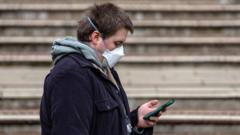
Meningitis spreads through respiratory droplets when infected or colonized people cough, sneeze, or talk near others. Some carriers harbor the bacteria in their nose or throat without showing symptoms but still transmit the infection to those around them, making detection difficult.
Common symptoms include high fever, severe headache, stiff neck, and sensitivity to light. Nausea, vomiting, and confusion can follow. In infants, signs differ. Watch for high fever, unusual crying, difficulty feeding, and a bulging soft spot on the skull. A rash may appear in some cases, particularly with meningococcal meningitis.
The disease progresses rapidly. Early recognition matters because bacterial meningitis requires immediate antibiotic treatment. Viral meningitis typically resolves on its own but still needs medical evaluation to rule out bacterial forms.
Close contacts face elevated risk, especially in crowded settings like college dorms, schools, and military barracks. Healthcare workers and household members of infected patients require prophylactic antibiotics. Vaccination protects against several meningitis strains, including meningococcal and pneumococcal types. Meningitis B vaccine has reduced cases in younger populations since its introduction.
Seek emergency care if symptoms appear. A lumbar puncture or spinal tap confirms diagnosis by analyzing cerebrospinal fluid. Early treatment prevents serious complications including brain damage, hearing loss, and death. Fatality rates remain around 10 percent for bacterial meningitis even with treatment, though survivors may face lasting neurological effects.