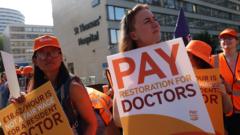
England's resident doctors ended their three-year pay dispute with the government after accepting a new deal that brings immediate wage increases and promises of future rises. The British Medical Association confirmed the vote, effectively halting strike action that has disrupted the National Health Service repeatedly since 2021.
The settlement delivers a 22.3 percent pay rise over two years for junior doctors earning between £29,000 and £40,000 annually. Starting salaries climb to £33,000, addressing years of erosion in real wages. The deal includes a commitment to restore pay to 2008 levels by 2027, plus additional protections for weekend and overnight work.
This resolution comes after multiple rounds of strikes that stretched across 2023 and into 2024, generating significant public pressure on both the BMA and the Department of Health and Social Care. The walkouts affected elective surgeries, outpatient clinics, and routine care, straining an already stretched NHS trying to clear record waiting lists exceeding seven million patients.
Health Secretary Wes Streeting framed the agreement as essential to retaining medical talent and rebuilding the health service. Junior doctors represent roughly a third of the NHS workforce, and retention has become critical as the health system faces chronic staff shortages and burnout.
The junior doctors' victory sets a precedent for other NHS staff negotiations. Consultants, nurses, and other healthcare workers have pursued similar claims, though their disputes remain unresolved. The government faces pressure to extend comparable improvements across the health service while managing fiscal constraints.
Experts note the deal reflects both unions' strategic shift toward negotiation after strike fatigue set in. For junior doctors, accepting the offer avoids further erosion of public support. For ministers, ending the dispute allows focus on NHS performance targets ahead of potential general elections.