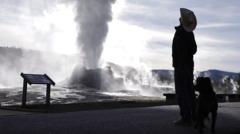
Geothermal startups are racing to unlock heat beneath the earth's surface as an alternative energy source, but fundamental economic challenges persist. Companies are deploying new drilling techniques and exploration methods to tap into subsurface reservoirs once thought too costly or difficult to access. The technology promises baseload power generation without the intermittency problems plaguing wind and solar.
Yet the business case remains fragile. Traditional geothermal projects require massive upfront capital for drilling, with success rates unpredictable until wells are actually sunk. A single dry hole can bankrupt early-stage ventures. Drilling costs in the US average $2 million to $5 million per well, creating a high barrier to entry even before construction of power plants begins.
Startups like Fervo Energy and Eavor are experimenting with closed-loop systems and enhanced geothermal systems (EGS) that artificially fracture rock to create permeable reservoirs. These approaches could work in locations traditionally unsuitable for geothermal development, potentially opening markets beyond Iceland, New Zealand, and Indonesia where conditions are naturally favorable. Fervo recently raised $138 million in funding, signaling investor appetite.
The real test lies in deployment economics. Companies must prove they can drill faster, cheaper, and with higher success rates than legacy approaches. Venture capital dollars alone won't sustain the sector if operating costs remain elevated or if power prices decline further. Governments increasingly offer tax credits and grants, but these subsidies aren't permanent.
Geothermal's greatest advantage is reliability. Unlike solar and wind farms that generate intermittently, geothermal plants run 24/7 with capacity factors exceeding 70 percent. Grid operators need that stability as coal plants retire.
Whether startups crack the economics depends on execution. If drilling costs fall 50 percent through technological innovation, geothermal becomes genuinely competitive with natural gas. If they don't, the sector remains niche.