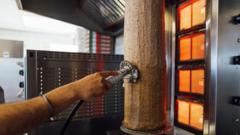
A new food fraud investigation reveals that millions of consumers across the UK have unknowingly consumed "lamb" kebabs made primarily from goat meat, skin, and fat. The BBC Business report exposes a widespread substitution practice in the kebab industry that rivals the scale of the 2013 horsemeat scandal.
Researchers tested samples from kebab shops and found that a substantial portion of products labeled as lamb contained little to no actual lamb. Instead, manufacturers used cheaper goat meat blended with skin and fatty tissue, then marketed the products under the lamb label at premium prices. The substitution generates significant profit margins for producers while deceiving consumers about both the meat's origin and quality.
This discovery carries particular weight given the horsemeat lasagne scandal a decade ago, which triggered global outcry and regulatory overhauls across the food industry. That incident exposed gaps in supply chain transparency and testing protocols. The new investigation suggests those vulnerabilities persist, especially in casual dining sectors like kebab shops where traceability remains weak.
The findings raise questions about enforcement at point-of-sale and throughout distribution networks. Industry experts note that DNA testing, the method that exposed the horsemeat fraud, remains underutilized in routine food safety checks. Kebab shops operate with minimal regulatory oversight compared to supermarket chains, creating enforcement blind spots.
Consumer trust in labeled meat products faces renewed pressure. Advocacy groups call for mandatory country-of-origin labeling and increased surprise testing at retail locations. The investigation signals that premium meat fraud persists as a profitable operation despite heightened awareness post-2013.