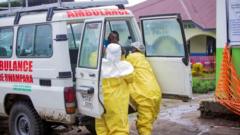
A clinical trial of experimental Ebola treatments has launched in the Democratic Republic of Congo as the country battles an active outbreak. The DRC has recorded 1,406 confirmed cases and 438 deaths, with another 301 suspected cases under investigation.
The trial tests new therapeutic approaches against a virus that kills between 25 and 90 percent of infected people depending on the strain. Previous outbreaks in West Africa and earlier DRC incidents demonstrated the value of rapid treatment access. This trial builds on that evidence, aiming to identify which interventions work best when administered early in infection.
The WHO is coordinating the effort as part of its emergency response to the outbreak. Testing multiple candidates simultaneously accelerates the discovery process and gives health workers on the ground real-time data about efficacy. Early treatment initiation remains the strongest predictor of survival in Ebola cases, making rapid diagnosis and immediate care protocols essential to outcome.
The DRC faces logistical challenges in implementing trials across remote regions with limited infrastructure. Previous Ebola responses there showed that community trust and local medical training directly impact case identification and treatment uptake. This trial incorporates lessons from those experiences, emphasizing partnerships with local health systems rather than external-only deployments.
Success here could reshape treatment protocols globally. If trial results demonstrate clear advantages for specific therapeutics, the DRC outbreak becomes a proving ground that informs pandemic preparedness strategies worldwide. The speed of this intervention, launched while cases are still mounting, reflects the urgency surrounding Ebola's mortality rate and the window of opportunity for treatment effectiveness.