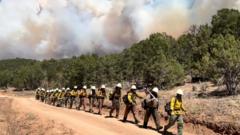
Three firefighters lost their lives battling massive wildfires erupting across the Colorado-Utah border region. The blazes have grown so severe that both state governors declared emergencies, mobilizing additional resources and personnel to combat the spreading flames.
The fatalities underscore the extreme danger firefighters face during peak wildfire season in the West. These incidents occur as the region grapples with multiple simultaneous fires, stretching response teams thin and forcing difficult deployment decisions. The scale of the blazes has overwhelmed normal containment protocols, requiring interstate coordination between Colorado and Utah authorities.
Governors from both states activated emergency declarations to unlock additional funding, equipment, and personnel. These declarations allow for expedited resource deployment and mutual aid agreements between agencies. The multi-state approach reflects the magnitude of the threat, as fires don't respect political boundaries.
The deaths serve as a grim reminder of the occupational hazards facing wildland firefighters. They operate in extreme heat, poor visibility, and unpredictable fire behavior while protecting communities and infrastructure. Fatalities during firefighting operations remain tragically common during peak fire seasons, particularly in drought-stricken regions of the West.
The Colorado-Utah border area has become a hotspot for major fire activity in recent years. Conditions there favor rapid fire spread due to dry vegetation, lower humidity, and challenging terrain that complicates firefighting efforts. Climate patterns have extended fire seasons and intensified wildfire behavior across the region.
Both states will likely face weeks of active firefighting operations as crews work to contain the remaining blazes. The loss of three firefighters will impact crew morale and available personnel as operations continue. Investigations into the exact circumstances of their deaths will likely follow standard protocols for wildfire fatality reviews.