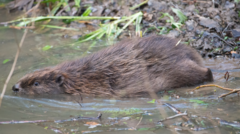
Wyre Forest in England welcomed three new beaver kits this spring, expanding the population at the nature reserve's dedicated enclosure. The births mark a major milestone for a reintroduction program that released six adult beavers into the forest in 2024.
Camera trap footage captured the young animals as they began exploring their riverside habitat alongside their parents. The kits represent successful breeding in a controlled environment designed to study beaver behavior and ecosystem impact before any potential wider release into the wild.
Beaver reintroduction efforts across Britain have gained momentum over the past decade. England's native beavers were hunted to extinction by the 16th century, but populations have been slowly restored through carefully managed programs in Scotland and Wales. The Wyre Forest project adds to this growing movement to bring the species back to English waterways.
Beavers serve as keystone species, reshaping landscapes through dam building and tree felling. Their activities create wetland habitats that benefit dozens of other species, from amphibians to birds. Early monitoring at Wyre suggests the family is already modifying their enclosure, creating dams and altering water flow patterns.
The reserve plans continued observation before deciding whether to expand the program. Success here could pave the way for larger-scale reintroduction across England, where habitat loss and river management have left few natural spaces for the animals. Conservation groups view beaver restoration as essential for reversing wetland decline and building climate-resilient ecosystems.
The three kits represent not just a breeding success story, but proof that controlled reintroduction can work. Their presence in Wyre Forest signals growing confidence in returning lost species to British landscapes.