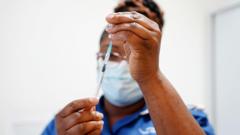
A major inquiry into the UK's Covid vaccination programme concluded that the rollout represents an extraordinary public health achievement, crediting vaccines with preventing hundreds of thousands of deaths. The report acknowledges that while the vaccination campaign delivered one of the fastest and most extensive immunisation efforts in history, a small number of people experienced adverse effects.
The inquiry found that Covid vaccines demonstrably saved lives at scale across the population. Health authorities rapidly deployed jabs across the country, reaching millions of people in compressed timelines. This speed and reach prevented severe illness and death from the virus during critical pandemic phases.
However, the report identifies a gap in support systems for those who suffered harm from vaccines. The minority experiencing adverse effects faced inadequate recognition and assistance from health services. The inquiry recommends strengthening support pathways, improving data collection on side effects, and enhancing communication with affected individuals.
This finding balances two realities. The vaccination programme succeeded enormously in its primary objective. Simultaneously, those rare cases where people experienced complications require better care infrastructure and acknowledgment. The report suggests that recognising vaccine safety concerns does not diminish the programme's overall success.
Officials committed to implementing recommendations, signalling willingness to address support gaps without retreating from vaccine policy. The inquiry's measured approach avoids polarising extremes. It validates both the vaccination campaign's life-saving impact and the legitimate concerns of people harmed by adverse reactions.