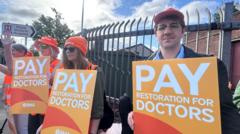
Resident doctors across the UK launched strike action over pay disputes, forcing the National Health Service to cancel operations, outpatient appointments, and elective care procedures. The British Medical Association (BMA) confirmed the walkout while pledging that patient safety remained the priority during the action.
The strike reflects mounting tension between junior doctors and NHS leadership over compensation packages. Resident physicians, who form a critical part of hospital staffing, have grown increasingly frustrated with stagnant wages that fail to keep pace with inflation and cost-of-living pressures. The BMA framed the action as necessary after failed negotiations with health service management.
NHS trusts scrambled to reschedule non-emergency procedures and appointments affected by the strike. Emergency services and critical care continued operating under contingency staffing plans. The health service activated backup protocols to maintain minimum safe operations, though disruption to routine care proved unavoidable.
The walkout represents the latest labor clash in the NHS, where staffing shortages and pay freezes have triggered multiple rounds of industrial action across different medical professions. Junior doctors occupy a particularly strained position within the health system, working long hours for entry-level salaries that have declined in real terms over recent years.
The BMA stated that while cancellations were "undoubtedly" coming, patient safety protocols would remain in place. The organization positioned the strike as a last resort after exhausting other avenues for resolving compensation disagreements with government health officials.
The timing places additional pressure on an already stretched NHS, which faces growing backlogs in elective procedures and ongoing staffing crises. Resolution depends on whether health leadership returns to negotiating tables with meaningful pay proposals that address junior doctors' core grievances.