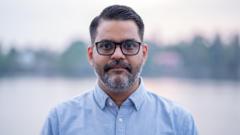
Dr Cyriac Abby Philips, a hepatologist based in Kochi, India, has become one of the country's most polarizing medical figures through aggressive social media advocacy against unproven treatments for liver disease. His viral posts and combative style have earned him millions of followers on Instagram and YouTube while simultaneously triggering fierce backlash from practitioners of Ayurveda and traditional medicine.
Philips built his platform by directly challenging what he views as dangerous misinformation. He targets vendors of herbal remedies, yoga instructors making unsupported health claims, and alternative practitioners he believes exploit vulnerable patients with liver ailments. His content spreads rapidly across Indian social networks, often naming and shaming individuals he deems irresponsible.
The confrontational approach generates two distinct responses. Supporters praise his willingness to combat pseudoscience in a country where traditional medicine enjoys deep cultural roots and government backing. Critics accuse him of arrogance, disrespecting indigenous knowledge systems, and overstepping professional boundaries by conducting public callouts rather than working through medical channels.
India's traditional medicine sector wields significant influence. The government funds Ayurveda programs, licenses practitioners, and promotes traditional systems globally. Philips's attacks on these practitioners have made him a target for legal challenges and organized complaints to medical boards. Traditional medicine advocates frame his campaign as Western-style medical colonialism masquerading as scientific rigor.
The tension reflects a broader global debate about evidence-based medicine versus traditional knowledge. While Philips cites peer-reviewed research and clinical outcomes, opponents argue that dismissing centuries-old practices oversimplifies complex health ecosystems and marginalizes cultural healing traditions.
His impact extends beyond social media performance. Hospitals have employed him partly due to his online visibility, and patients specifically seek his expertise because of his viral presence. Yet his combative style raises questions about whether confrontation changes minds or simply entrenches existing divisions within India's fractured medical landscape.