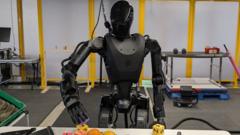
Military forces worldwide are testing humanoid robots for potential combat roles, though actual battlefield use remains years away. Defense departments from the United States to allied nations view these machines as tools for handling dangerous tasks, including bomb disposal, reconnaissance, and logistics support in war zones.
The technology addresses real military needs. Humanoid robots can navigate terrain designed for human soldiers, climb stairs, operate equipment, and respond to dynamic combat scenarios better than wheeled or tracked alternatives. Their human-like form factor lets them use existing military infrastructure and weapons systems without redesign.
But significant barriers block near-term deployment. Current humanoid robots operate with limited battery life, struggle in rough terrain, and lack the autonomous decision-making required for combat roles. Software for distinguishing combatants from civilians remains unreliable. Military brass also acknowledge the legal and ethical minefields surrounding autonomous weapons systems, with international bodies pushing for human oversight on lethal decisions.
Defense contractors like Boston Dynamics and Ghost Robotics are already pitching prototypes to armed forces. The Pentagon has shown interest in humanoid development through DARPA funding and contracts. However, experts stress that converting prototypes into reliable, deployable systems requires years of testing and refinement.
The conversation also touches broader geopolitical competition. Nations fear falling behind in autonomous weapons development, creating pressure to advance research. Yet many military strategists question whether humanoids truly offer advantages over specialized robots built for specific tasks.
For now, humanoid robots remain experimental platforms. Their battlefield role, if it happens at all, depends on solving engineering problems while navigating murky rules of engagement that most countries haven't finished writing.