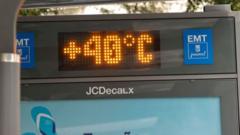
Heat waves expose fragility in critical infrastructure systems across Europe and beyond. Energy grids, rail networks, and telecommunications facilities designed for cooler climates struggle when temperatures spike, forcing operators to throttle capacity or shut down services entirely.
Train operators in France, Germany, and the UK have repeatedly cancelled services during extreme heat events because rail lines physically warp and buckle. Steel expands in high temperatures, warping tracks and damaging overhead electrical lines. Traditional infrastructure built decades ago uses materials and spacing tolerances calibrated for historical temperature ranges, not the hotter conditions now routine in summer months.
Power grids face parallel pressures. Coal and nuclear plants require massive volumes of cool water for steam condensation. When ambient water temperatures rise, plants lose cooling efficiency and must reduce output just when demand spikes from air conditioning load. France experienced this acutely during the 2022 heat wave, forcing the nation to import electricity at record cost.
Data centers pose another vulnerability. Server farms consume enormous electricity and generate intense heat themselves. Cooling these facilities consumes 30 to 40 percent of total data center energy use. Heat waves force operators to either run systems at reduced capacity or risk hardware damage from overheating.
Telecommunications networks face fiber optic cable failures when temperatures exceed design specifications. Underground cables expand, creating stress on connections and reducing transmission reliability.
The sector response remains sluggish. Most grid operators implement ad-hoc workarounds rather than systematic infrastructure redesign. Some utilities are upgrading cable insulation and installing additional cooling capacity, but retrofitting legacy systems costs billions and takes years. Energy companies argue regulatory frameworks don't incentivize long-term climate adaptation investment.
Heat vulnerability extends beyond summer disruptions. It threatens economic competitiveness in regions dependent on stable power and transport. Countries ignoring infrastructure modernization risk cascading failures as temperatures continue rising.