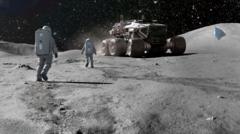
Helium-3, an isotope of helium with two protons and one neutron, sits at the center of a growing space-mining debate. The isotope commands premium prices on Earth, where it remains scarce and in high demand for medical imaging, scientific research, and emerging fusion energy applications. Current supplies come almost exclusively from the decay of tritium in nuclear weapons stockpiles, making Helium-3 a bottleneck resource for industries that depend on it.
The moon, however, contains vast quantities of Helium-3 deposited by solar winds over billions of years. Some researchers estimate lunar soil holds enough of the isotope to power global energy needs for centuries. This has sparked serious interest from space agencies and private companies exploring lunar extraction as a future revenue stream.
Several obstacles stand in the way. Mining operations on the moon would require enormous infrastructure investment, from habitat construction to specialized extraction and transportation systems. The costs of launching equipment and returning extracted material to Earth dwarf current space budgets. Technological challenges remain unsolved. No commercial lunar mining operation exists yet, and regulatory frameworks governing space resource extraction remain incomplete under international law.
Yet the economics are shifting. As demand for Helium-3 grows and terrestrial supplies tighten, the cost-benefit analysis tilts toward lunar development. Companies and governments increasingly view moon mining as inevitable rather than speculative. NASA's Artemis program and China's lunar missions lay groundwork for sustained human presence on the moon, infrastructure that future mining operations could leverage.
The Outer Space Treaty of 1967 permits resource extraction but forbids national ownership of celestial bodies. Private companies may exploit lunar resources if affiliated with a nation that signed the treaty. This legal grey area invites both opportunity and conflict as space-faring nations race to establish claims and operational footholds on the lunar surface.