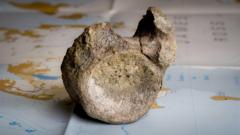
Scientists have identified the first dinosaur bone ever discovered in Antarctica, a remarkable find that sat unrecognized in a museum drawer for nearly 40 years. The fossil, a tail vertebra from a Titanosaur, was collected during a 1985 expedition but remained misidentified until recent analysis revealed its true significance.
Titanosaurs represent some of Earth's largest land animals ever to exist. The discovery confirms these massive sauropods inhabited Antarctica during the Cretaceous period, long before the continent froze over and became inhospitable to large reptiles. The fossil provides fresh evidence about dinosaur distribution across the southern hemisphere and offers clues about prehistoric climate conditions on the remote continent.
The bone's extended dormancy in storage reflects a common reality in paleontology. Field expeditions often collect more material than researchers can immediately process, and specimens sometimes languish in collections awaiting proper examination. Modern analytical techniques and renewed scientific interest eventually brought this piece to light.
Antarctica remains one of Earth's most challenging environments for paleontological work. Extreme weather, harsh terrain, and logistical obstacles make sustained fossil-hunting expeditions costly and dangerous. Each discovery from the continent carries outsized scientific weight precisely because access remains so limited. This single vertebra documents an entire species' presence in a region where dinosaur fossils remain exceedingly rare.
The find opens new questions about Titanosaur migration patterns and adaptation strategies. It also reinforces the importance of archival work in museums. Researchers continue reviewing older collections with contemporary tools, regularly unearthing discoveries that earlier scientists overlooked. This particular fossil demonstrates how past expeditions to Antarctica, despite their limitations, yielded invaluable data still being decoded today.