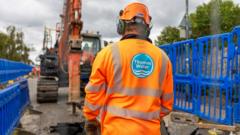
Thames Water, Britain's largest water company by customer count, moved closer to state control after the government rejected a private rescue package. Environment Secretary Steve Reed blocked the deal, arguing it failed to protect consumers or the environment adequately.
The rejection marks a turning point for Thames Water, which has hemorrhaged cash for years while struggling with aging infrastructure, sewage leaks, and pollution incidents. The company serves 15 million people across London and the Southeast. Its financial deterioration has forced multiple rescue attempts, each more costly than the last.
Reed's decision signals the government's preference for public ownership over another private bailout. Thames Water has faced mounting pressure from regulators, environmental groups, and lawmakers demanding action on water quality and customer bills. The company's debt has ballooned to over £14 billion, making it structurally insolvent under current management models.
A nationalisation would represent a seismic shift in British water sector politics. The industry was privatised in 1989, and no major water company has returned to public hands since. The move would likely involve complex negotiations over compensation, liability for past environmental damage, and future investment commitments.
The government faces pressure from both directions. Environmental campaigners want stronger protections against pollution. Consumer groups demand bill freezes. Shareholders want compensation. These competing demands make any rescue path politically fraught.
Thames Water now enters uncertainty. The company has weeks to present alternative solutions or face forced nationalisation through statutory mechanisms. The environment secretary's rejection suggests the government views public control as preferable to accepting a deal that leaves executives and shareholders shielded from accountability.