As temperatures climb, simple home cooling strategies can lower your electric bills and reduce heat-related health risks. The BBC outlines six practical methods that don't require expensive air conditioning systems.
Closing curtains and blinds during the day blocks direct sunlight before it heats interior spaces. This passive cooling technique works best on south and west-facing windows where sun exposure peaks. Opening windows early morning and late evening lets cool night air circulate through your home, then seal them during the hottest daytime hours.
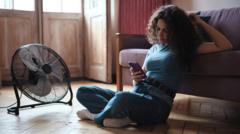
Strategic use of fans amplifies air movement. Placing a bowl of ice in front of a fan creates a makeshift air cooler by blowing chilled air into the room. Ceiling fans work best on low settings to push warm air upward and out of living spaces.
Reducing internal heat sources matters. Cooking generates significant warmth, so using microwaves, stovetop kettles, or outdoor grills keeps kitchens cooler. Similarly, limiting oven use during hot spells helps. LED lighting produces less heat than traditional incandescent bulbs.
Personal cooling habits prevent heat exhaustion. Staying hydrated keeps your body's internal temperature regulated. Wearing loose, light-colored cotton clothing reflects heat rather than absorbs it. Taking cool showers or baths drops core body temperature quickly.
Moisture control also helps. Damp towels hung near windows create evaporative cooling effects. Reducing humidity through ventilation makes ambient temperatures feel lower, even when thermometers don't change.
These low-cost methods work together. Combined they reduce reliance on air conditioning, lower energy consumption, and keep households comfortable during heat waves without requiring significant investments or structural home modifications.