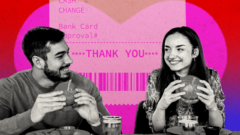
Dating etiquette remains deeply divided on first-date bill-paying norms. Social expectations around payment split into distinct camps, each backed by different values and generational attitudes.
Traditional daters still view a man picking up the check as romantic and courteous. This camp frames payment as a gesture tied to chivalry and male-led courtship. Women who hold this view report feeling "put off" when a man suggests splitting the bill, interpreting it as a lack of genuine interest or effort.
The egalitarian approach champions splitting the cost equally. Advocates argue that shared payment reflects modern values of gender equality and mutual respect. Splitting avoids financial imbalance and signals that both parties contribute fairly to the date experience. Younger daters increasingly embrace this model, seeing it as the fairest framework for early romantic encounters.
A third perspective holds that whoever initiates the date should cover the bill, regardless of gender. This logic treats payment as a natural consequence of asking someone out. If a woman asks a man to dinner, she pays. If he asks her, he covers it. Supporters view this as both equitable and straightforward.
Regional and cultural factors shape these attitudes. Generational divides also matter. Millennials and Gen Z respondents lean toward splitting or the "asker pays" model. Older demographics skew toward traditional frameworks where men typically pay.
The BBC's reporting reflects broader uncertainty about dating norms in an era of shifting gender roles. No clear consensus emerges. Dating apps and casual-dating culture have accelerated this recalibration, stripping away some traditional structures while leaving confusion about what new norms should replace them. Financial independence among women, changing masculinity definitions, and evolving relationship expectations all collide on the first date. Individuals navigate these tensions personally, often discovering incompatibility through how they handle the check.