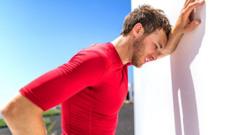
Heat exhaustion and heatstroke demand fast recognition and proper response. The difference between the two determines whether someone needs immediate emergency care or first aid at home.
Heat exhaustion hits first. Symptoms include heavy sweating, weakness, dizziness, nausea, headache, and muscle cramps. Skin feels clammy. Body temperature stays normal or slightly elevated. Move the person indoors or to shade immediately. Have them lie down with legs raised. Give water or sports drinks to sip slowly. Apply cool, wet cloths to skin. Most people recover within 30 minutes with these steps.
Heatstroke is a medical emergency. The body's cooling system fails completely. Sweating stops. Body temperature rises above 40 degrees Celsius (104 degrees Fahrenheit). The person may become confused, lose consciousness, or have seizures. Skin turns hot and dry.
Call emergency services right away for suspected heatstroke. While waiting, move the person to a cool place. Use whatever works: immerse them in cool water if possible, spray them with water, apply ice packs to armpits and groin where major blood vessels run close to skin. Do not give them anything to drink if they're unconscious.
Prevention matters most. Stay hydrated throughout the day, not just when thirsty. Limit outdoor activity during peak heat hours, typically 11am to 3pm. Wear loose, light-colored clothing. Check on elderly relatives, young children, and people with chronic illnesses during heat waves. Those taking medications or with certain health conditions face higher risk.
Heat illness kills. Recognize the signs. Act fast. The gap between heat exhaustion and heatstroke narrows quickly in extreme conditions. Minutes matter.