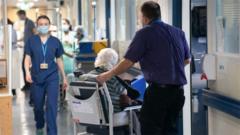
England's NHS confronts a patient care crisis, with nearly 3,000 patients daily receiving treatment in corridors and makeshift spaces rather than proper hospital beds. The data exposes a systemic breakdown in hospital infrastructure and capacity across the country.
Patients assigned to corridor care face unsafe conditions and degraded dignity. These individuals occupy hallways, temporary spaces, and other unsuitable areas because hospitals lack adequate bed availability. The practice violates established standards for patient safety and creates operational inefficiencies that ripple through entire hospital systems.
The scale of the problem spans the entire NHS. Nearly 3,000 daily cases represents a persistent, endemic issue rather than isolated incidents at struggling trusts. This indicates widespread bed shortages, staffing constraints, and infrastructure deficits affecting major hospital networks nationwide.
Corridor care creates compounding problems. Patients in hallways receive less privacy, face increased infection risks, and struggle to access basic facilities. Staff working around corridor patients spend additional time navigating physical constraints rather than delivering care. Emergency departments and acute wards become gridlocked when patients cannot move into proper beds.
The data arrives amid ongoing NHS funding debates and workforce challenges. Hospitals operate under strain from aging infrastructure, chronic underfunding, and recruitment shortfalls. Winter months typically worsen corridor care numbers as respiratory illnesses and seasonal conditions surge patient admissions.
Patient advocacy groups and medical professionals have repeatedly flagged corridor care as unacceptable. The practice contradicts NHS standards and international healthcare guidelines. Yet systemic pressures continue forcing hospitals into this accommodation strategy.
The revelation demands urgent action on bed capacity expansion, staffing levels, and infrastructure investment. Without intervention, corridor care will remain a fixture of English hospital operations, normalizing conditions that compromise both patient outcomes and staff wellbeing.