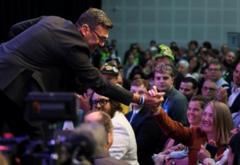
Labour's Andy Burnham secured a decisive victory in the Makerfield by-election, winning by over 9,000 votes and fending off a strong challenge from Reform UK. Burnham, who recently stepped down as Greater Manchester mayor, framed the result as a potential turning point for Labour's electoral fortunes in the post-Starmer era.
The result demonstrates Labour's resilience in a traditionally working-class seat. Makerfield, located in Wigan, has voted Labour since 1997. Reform UK's second-place finish underscores the party's growing appeal in northern England, particularly among voters frustrated with the political establishment. The insurgent party has capitalized on economic discontent and anti-immigration sentiment across post-industrial communities that historically backed Labour.
Burnham's emphatic margin offers the party a morale boost as it navigates internal tensions and declining polling numbers. The former Manchester mayor, a high-profile Labour figure with cross-party appeal, likely benefited from name recognition and his track record on devolution and public health during the pandemic. His ability to mobilize Labour voters in a seat where Reform surged suggests the party can still compete in its traditional strongholds if it deploys popular local figures.
The by-election victory arrives amid broader uncertainty about Labour's direction under Keir Starmer. Party members have grown restless over austerity measures and perceived disconnection from working-class voters. By winning comfortably in a seat Reform targeted heavily, Labour signaled it can defend its base, though the party faces continued pressure in heartland areas where populist challengers gain traction.
Burnham's assertion that this represents a turning point carries weight only if Labour can replicate the result across multiple constituencies. One seat does not reset the political landscape, but it suggests the party retains capacity to win when it fields credible, locally rooted candidates.