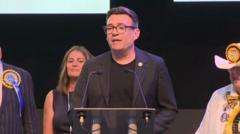
Andy Burnham secured victory in the Makerfield by-election, a result that positions the Greater Manchester mayor as a potential challenger to Keir Starmer's leadership of the Labour Party. Burnham's win signals internal tensions within Labour ranks as the party navigates criticism over policy direction and grassroots dissatisfaction.
In his victory speech, Burnham framed the election as "a final chance to change," language that suggests he views the result as a mandate to push back against Starmer's current trajectory. The statement carries weight given Burnham's political stature. He served as health secretary under Gordon Brown, ran for Labour leadership in 2015, and has built considerable credibility leading Manchester's devolved authority since 2017.
The Makerfield by-election result comes amid Labour's struggles with core constituencies and working-class voters. Burnham, who has cultivated a regional power base and maintained distance from Westminster orthodoxy, represents an alternative vision within the party. His rhetoric about needing "change" echoes frustrations from party members and local activists who question Starmer's centrist positioning and approach to traditional Labour priorities.
Burnham hasn't explicitly declared leadership ambitions, but his parliamentary return through Makerfield removes a practical barrier to challenging Starmer. A leadership contest would require visible party divisions and pressure from MPs or members. His victory speech language suggests he's laying groundwork for potential influence over party direction, whether through direct leadership challenge or leverage within the parliamentary Labour group.
The timing matters. Labour currently holds significant polling leads over the Conservatives, but internal cohesion remains fragile. Burnham's intervention tests whether Starmer can consolidate power or faces sustained pressure from influential figures within his own party.