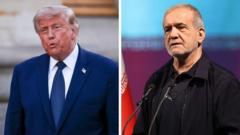
The US and Iranian presidents have signed a preliminary agreement to end hostilities between the two nations, though the deal leaves critical nuclear negotiations unresolved. The accord marks a significant step toward de-escalation after months of intensifying military tensions and proxy conflicts across the Middle East.
The agreement addresses immediate ceasefire terms and humanitarian corridors but deliberately postpones discussions over Iran's nuclear program. That program remains the thorniest issue between Washington and Tehran. The US cited nuclear concerns as justification for initiating the conflict, making its omission from this initial deal notable. Both sides acknowledged that resolving the nuclear question requires separate, more complex negotiations involving international stakeholders including European nations and the UN Security Council.
Details of the ceasefire provisions remain limited, but officials from both capitals confirmed the framework includes provisions for prisoner exchanges and the establishment of deconfliction channels to prevent accidental military escalation. The deal sidesteps the hardest problems in favor of achieving a near-term halt to active combat operations.
The timing reflects pressure from international mediators and mounting casualties that threatened to destabilize the broader region. Neither president claimed this agreement as a complete victory, instead framing it as a foundation for longer-term diplomatic resolution.
Nuclear negotiations are expected to resume within weeks through UN-mediated channels. Success on that front remains uncertain, particularly given past breakdowns in talks. The agreement essentially buys time for both governments to pursue their competing security interests while cooling the immediate military standoff. How these initial ceasefire terms hold will determine whether subsequent nuclear talks can proceed.