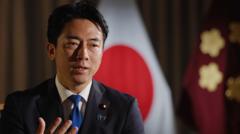
Japan's Defence Minister Shinjiro Koizumi told the BBC that Japan must abandon its post-World War Two pacifist stance to prevent armed conflict in the region. Koizumi framed military buildup as essential to deterring aggression rather than inviting it, a significant rhetorical shift for a nation constitutionally bound to renounce war since 1947.
The defence minister's comments reflect Japan's accelerating military modernization amid escalating tensions with China over Taiwan and territorial disputes in the East China Sea. Japan has already committed to doubling defence spending to 2 percent of GDP by 2027, among the largest military expansions in its postwar history.
This positioning departs sharply from Japan's historical pacifism, codified in Article 9 of its constitution. The shift responds to China's military assertiveness and North Korea's weapons tests, which have destabilized the region's security calculus. Japan faces pressure to shoulder more responsibility for regional stability as the US reassesses its security commitments.
Koizumi's framing of defence spending as a war-prevention measure rather than militarization underscores how Tokyo is rebranding its military posture for domestic audiences and international partners. The messaging balances traditional pacifist sentiment among Japanese voters with the government's need to present a credible military deterrent.
Japan's moves include acquiring advanced fighter jets, expanding naval capabilities, and lifting restrictions on military exports. These steps position Japan as a potential counterweight to Chinese power in the Indo-Pacific, aligning Tokyo more closely with US strategic interests while technically preserving the constitution's limitations on military force.