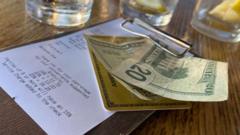
American tipping norms are creeping into restaurants, cafes, and service businesses across Europe and beyond, creating friction between consumers and workers accustomed to different payment systems. The practice intensifies as point-of-sale systems increasingly prompt customers for tips before transactions complete, a distinctly American retail behavior now showing up in UK, Australian, and Canadian establishments.
In the US, server wages remain artificially low, subsidized by tips that typically run 15-20% of the bill. Staff expect—and sometimes vocally demand—this baseline. That cultural expectation is now exporting globally, even to countries where minimum wage laws protect hospitality workers and tipping was historically reserved for exceptional service.
British diners report irritation at iPad screens asking for 10-15% tips on coffee orders or takeout meals. Australian venues increasingly normalize tip jars for counter service, a rarity a decade ago. Canadian restaurants, influenced by proximity to the US market, face similar pressure. The shift coincides with rising labor costs post-pandemic and hospitality workers advocating for higher wages through tip culture.
Service workers in these markets argue they deserve better compensation. Restaurant owners contend that tight margins and labor shortages justify the push toward American-style tipping. But consumers in these countries resist what feels like an artificial obligation grafted onto their dining culture.
The BBC data shows tipping percentages climbing steadily in Australia, the UK, and Canada over the past three years. POS companies design systems that default to higher tip suggestions, nudging customers toward generosity whether or not service warranted it.
This represents a fundamental cultural collision. American tipping subsidizes low wages set by employers. Other developed nations built regulatory frameworks ensuring livable minimum wages. Grafting US tipping expectations onto those systems creates an added cost layer that locals view as unnecessary and exploitative. The debate hinges on whether tipping should supplement already-fair wages or subsidize inadequate ones.