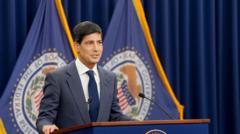
Kevin Warsh chaired his first Federal Reserve meeting and the central bank kept interest rates steady at 3.5% to 3.75%, holding pattern as the new Fed chair signals a broad review of how the institution operates.
Warsh, who took over leadership of the Federal Reserve, faces immediate pressure to chart a course amid persistent inflation concerns and economic uncertainty. The rate decision itself reflected continuity, but the broader message from the new chair pointed toward potential structural changes ahead.
A comprehensive review of Fed operations suggests Warsh intends to examine everything from policy transmission mechanisms to governance practices. This signals openness to reconsidering how the institution approaches its dual mandate of price stability and maximum employment.
The pause on rate adjustments aligns with recent Fed communications about taking a cautious approach. Markets have priced in limited near-term movement, and holding steady at the current level gives Warsh breathing room to assess economic data and implement his strategic vision without immediate market shocks.
Rate expectations now hinge on inflation trends and labor market dynamics over coming months. The Fed chair's willingness to review operational procedures suggests he may advocate for modernizing tools or communication strategies, potentially reshaping how the central bank responds to future economic challenges.
Warsh's appointment represented a shift in Fed leadership philosophy. His track record includes advocating for clearer policy frameworks and more transparent guidance to markets. The operational review he's launching could result in substantive changes to how rate decisions get communicated and implemented.
Investors and economists will monitor upcoming Fed communications closely for signals about the review's scope and timeline. Early signals from Warsh suggest a deliberate, methodical approach rather than rapid overhaul, giving markets time to adjust to any eventual shifts in Fed philosophy or practice.