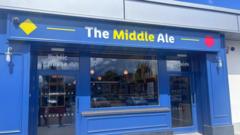
Lidl has entered the pub business with the opening of The Middle Ale, marking the supermarket chain's first venture into hospitality. The German discounter operates the venue directly, a departure from its core grocery retail model.
The pub represents an unusual expansion for a supermarket brand. Lidl's core business centers on discount food and household goods across Europe and beyond. Operating a bar and restaurant introduces the company to hospitality labor, licensing requirements, and customer experience metrics outside its traditional wheelhouse.
Details on the pub's location, size, and specific offerings remain limited, but the move signals Lidl's willingness to experiment beyond supermarket walls. The company may be testing whether its efficiency-focused operational model translates to hospitality. Alternatively, the venture could serve as a marketing play, generating buzz around the Lidl brand through an unexpected consumer touchpoint.
The pub sector in the UK and Europe faces ongoing pressure from shifting consumer habits, rising energy costs, and labor shortages. Traditional pubs have struggled, with closures accelerating over the past decade. Lidl's entry, backed by a major retailer's resources and operational discipline, tests whether supermarket expertise can revitalize the sector.
The "world first" framing suggests Lidl views this as a genuine brand innovation rather than a one-off experiment. If The Middle Ale succeeds, it could inspire other major retailers to explore hospitality concepts. Conversely, failure might reinforce the notion that supermarket chains belong behind checkout counters, not behind bars.
Lidl's move follows other retailers experimenting with adjacent categories. However, few major grocery chains operate their own pubs. The venture positions Lidl as willing to take calculated risks in an era when traditional retail faces constant disruption.