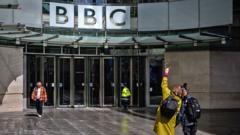
The BBC announced 550 job cuts as the opening salvo of a £500 million cost-reduction program, with the news division facing 200 initial redundancies. The corporation outlined the proposal in a staff email, signaling deeper restructuring ahead across the organization.
The cuts represent the first phase of a sweeping financial overhaul as the BBC grapples with budget constraints and shifting media consumption patterns. The news division, already under pressure from declining linear television viewership and competition from digital-native outlets, absorbs the heaviest blow. These redundancies will reshape how the corporation produces and distributes news content across television, radio, and online platforms.
The £500 million savings target reflects the BBC's struggle to maintain its sprawling operations under a frozen license fee, the primary revenue source funding the public broadcaster. Inflationary pressures and aging infrastructure have squeezed operational budgets, forcing leadership to make difficult choices about where to preserve resources. Previous cost-cutting initiatives failed to generate sufficient savings, making deeper cuts inevitable.
Beyond the immediate redundancies, the BBC faces organizational restructuring decisions that will alter its editorial footprint. Regional news operations and current affairs programming face scrutiny as the corporation prioritizes core services and digital-first storytelling. The timing compounds pressure on British broadcasters already navigating a fragmented media landscape where younger audiences consume news primarily through social platforms and streaming services.
Staff morale will face testing in coming months as the corporation works through consultation processes required by UK employment law. The BBC's ability to execute these cuts while maintaining editorial quality and public trust remains uncertain, particularly given the broadcaster's traditional reputation as a major employer of journalism talent across the UK.