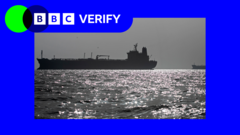
Iran moved three crude oil tankers through the Gulf of Oman despite a US military presence designed to intercept such shipments. Ship-tracking data confirmed the vessels passed the blockade line, marking a direct challenge to American enforcement efforts in the strategically critical waterway.
The passage reflects escalating tensions over Iranian oil exports. The US has maintained pressure on Iran's petroleum sector through sanctions and military positioning, aiming to choke off revenue streams. Iran's willingness to run tankers through contested waters signals defiance of these constraints and demonstrates the limits of US naval enforcement in the region.
The Gulf of Oman remains one of the world's most contested shipping lanes. Roughly one-third of all seaborne oil passes through it. The US Fifth Fleet operates in the Persian Gulf and surrounding waters, monitoring vessels and enforcing sanctions regimes. Iran has previously used obscured shipping tactics, including vessel-to-vessel transfers and disabled transponders, to move oil past international oversight.
This incident underscores the ongoing cat-and-mouse game between Washington and Tehran over oil logistics. Iran depends heavily on petroleum exports for foreign currency. US sanctions target this revenue directly, so Tehran continues finding workarounds. The successful passage of these three tankers suggests either gaps in US surveillance capability or deliberate choices about enforcement priorities.
The move comes amid broader regional instability. Recent attacks on commercial shipping in the Red Sea and tensions throughout the Middle East have disrupted maritime trade routes. Iran's actions in the Gulf of Oman fit within this pattern of regional actors testing boundaries and asserting control over critical infrastructure.
Ship-tracking data provides transparency that older blockades lacked, yet Iran still manages to move significant cargo. The tankers' successful passage indicates that despite military positioning, Iran maintains operational capacity to export oil.