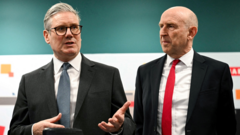
Prime Minister Sir Keir Starmer doubled down on his defence spending strategy, insisting he carries a moral obligation to maintain Britain's military readiness. The statement came just 24 hours after Defence Secretary John Healey stepped down over budgetary disagreements within the government.
Starmer framed his position as one rooted in duty, emphasizing that his administration has made "hard-edged" choices to shore up the defence budget amid broader fiscal constraints. The timing of his remarks underscores mounting tension within Labour's cabinet over how to balance military investment with domestic spending pressures.
Healey's departure signals deeper fractures over defence policy. The sudden exit of a senior minister raises questions about the government's strategic priorities and whether Starmer's vision for defence spending aligns with his broader cabinet. The Prime Minister's insistence that he must stay the course suggests he views this moment as existential to his government's credibility on national security.
Britain faces mounting geopolitical pressures, particularly from Russia's continued threat to NATO allies and growing regional instability. Starmer appears determined to position Labour as committed to strengthening British defences, a shift from the party's traditionally more dovish stance on military spending.
The clash between Starmer and his defence secretary reflects the uncomfortable reality facing any UK government. Defence spending demands clash with NHS funding, social care, and infrastructure investment. Starmer's insistence that he has a "duty to stay on" reads as a challenge to his own cabinet, signalling he will not back down on what he deems necessary military expenditure.
This episode tests whether Starmer can hold together a fractious cabinet while maintaining public confidence in Labour's grip on national security.