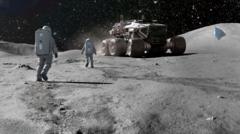
Helium-3, a rare isotope of helium, exists in tiny quantities on Earth but sits in abundance on the lunar surface, embedded in moon dust accumulated over billions of years of solar wind bombardment. The isotope has valuable applications in medical imaging, neutron detection, and potentially fusion energy research, making it highly sought after by researchers and defense contractors alike.
Current Earth supplies of helium-3 derive almost entirely from the decay of tritium in nuclear weapons stockpiles. As nations reduce their arsenals and existing supplies dwindle, the shortage intensifies. Demand projections show steep growth driven by hospitals requiring helium-3 for diagnostic equipment and security agencies needing it for radiation detection at borders and airports.
The moon holds an estimated one million metric tons of helium-3 in its regolith, according to lunar scientists. A single payload from the moon could theoretically supply Earth's annual helium-3 demand for decades. This prospect has attracted private companies and space agencies exploring lunar resource extraction technologies.
Extracting helium-3 from moon dust presents engineering challenges. The isotope requires heating regolith to extreme temperatures, then collecting the volatile gases released. Companies like Lunar Resources and space agencies including India's ISRO have begun designing extraction systems. Transportation costs remain prohibitive today, but as launch prices fall and lunar infrastructure develops, the economics shift.
The long-term play hinges on establishing permanent lunar outposts with dedicated mining operations. China has publicly identified helium-3 extraction as part of its lunar ambitions. Private firms see a multi-billion dollar market emerging within two decades as Earth supplies tighten and demand climbs.
Helium-3 mining represents the first realistic scenario for profitable lunar resource extraction, bridging scientific research with commercial incentive.