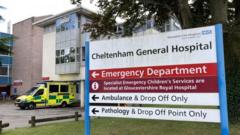
# Major A&E Changes Announced Amid Strikes
The National Health Service has announced significant restructuring of accident and emergency services as industrial action continues to disrupt hospital operations across the UK. Patients now face strict guidance restricting A&E attendance to life-threatening or serious conditions only.
The directive marks a shift in how NHS trusts are managing capacity during widespread strikes affecting junior doctors, nurses, and other healthcare workers. Rather than attempt to maintain normal operations, hospitals are explicitly asking patients to seek alternative pathways for non-urgent care, redirecting minor injuries and routine complaints to walk-in centres, urgent care clinics, and GP surgeries.
This represents a significant departure from typical A&E protocols, which normally accommodate a broad range of presentations from minor ailments to emergencies. By explicitly narrowing the patient population, NHS leadership aims to concentrate resources on critical cases while the workforce remains depleted by industrial action.
The announcement comes as unions continue pressing for better pay and working conditions. The strategy suggests hospitals have accepted that full service provision is impossible during strikes rather than fighting to maintain it. Some NHS trusts have already implemented similar restrictions unofficially, but this represents a more formal, coordinated approach.
Healthcare observers note the move could create longer-term behavioral changes in how patients access care, potentially reducing unnecessary A&E attendances even after strikes end. However, the strategy also risks pushing genuinely urgent but non-critical cases into unprepared facilities or delaying treatment.
The guidance requires clear public communication to prevent confusion about what qualifies as life-threatening. Missed guidance could leave vulnerable patients without access to needed care while simultaneously stranding minor injury units without appropriate caseloads.