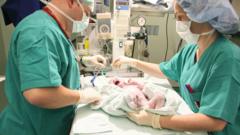
Emergency caesarean sections now account for one in four births in England, according to new BBC analysis of NHS data. This represents a sharp climb over the past five years, raising concerns among maternity experts who struggle to pinpoint a single cause.
The data reveals a troubling trend in obstetric care. Emergency caesareans carry higher risks for both mother and baby compared to planned procedures or vaginal deliveries. They require rapid decision-making in response to labor complications, fetal distress, or other acute medical situations. The rise suggests either genuine clinical need has increased, protocols have shifted, or some combination of factors is at play.
Experts point to multiple possible drivers. Maternal obesity rates have climbed steadily across the UK, a risk factor for caesarean delivery. Older maternal age at first birth correlates with higher intervention rates. Some point to increased fetal monitoring during labor, which can trigger interventions based on heart rate patterns. Staffing pressures within maternity units may also affect decision-making and delivery protocols.
The NHS has faced sustained pressure on maternity services. Understaffing, bed shortages, and burnout among midwives could influence how quickly clinical teams escalate to surgical intervention. Additionally, defensive medicine practices, where clinicians err toward intervention to reduce liability, may inflate the numbers.
Public health officials and maternity leaders now face pressure to investigate the underlying causes and reverse the trend. Caesarean delivery carries documented risks including infection, blood clots, and longer recovery times. For future pregnancies, previous caesareans complicate care options and can limit vaginal birth attempts.
The NHS must distinguish between medically necessary emergency caesareans and those driven by systemic pressures or clinical uncertainty. Addressing this requires resource investment, clearer protocols, and robust investigation into what has fundamentally changed in English maternity care over the past five years.