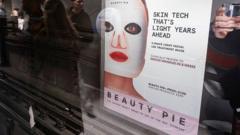
Britain's advertising watchdog banned a Beauty Pie LED mask advertisement for making unsubstantiated anti-wrinkle claims. The company claimed the product was "clinically proven to reduce wrinkles in four weeks," a statement the Advertising Standards Authority determined lacked proper evidence.
Beauty Pie marketed the mask as delivering visible results within a month, positioning it against competitors in the booming LED skincare device market. The ASA found no clinical trial data supporting the four-week timeline or the wrinkle-reduction promise. The brand must remove the claim from all advertising and refrain from repeating it unless backed by robust scientific evidence.
This ruling reflects tighter enforcement around skincare marketing in the UK. The beauty tech sector has exploded in recent years, with LED masks becoming a staple in the premium skincare category. Brands like Theraface, CurrentBody, and others flood social media with before-and-after imagery and influencer partnerships, often making rapid transformation claims. The ASA has intensified scrutiny on these assertions as consumer complaints mount over undelivered results.
Beauty Pie operates as a membership-based beauty retailer combining discounted luxury products with premium-branded items at lower price points. The LED mask sits in their higher-margin technology category, where markup potential is substantial. The advertising ban restricts their ability to target consumers seeking quick fixes during peak skincare seasons.
The decision signals that dermatological claims require clinical substantiation, not just testimonials or influencer endorsements. Brands must now furnish peer-reviewed studies or clinical trials before promoting specific timelines for wrinkle reduction. Beauty companies operating in the UK and EU markets face similar regulatory pressure, making claims transparency a competitive necessity rather than an option.