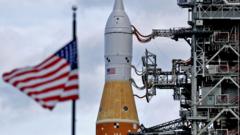
NASA announced the Artemis III crew, marking a pivotal moment for the agency's lunar return program. The mission will serve as a critical testing ground for systems designed to support the Artemis IV Moon landing scheduled for 2028.
Artemis III represents the operational phase of NASA's broader push to establish sustained human presence on the lunar surface. The crew will validate life support systems, navigation equipment, and other hardware that future missions depend on. This incremental approach reflects NASA's strategy of building confidence through successive missions before attempting the full-scale surface operations planned for 2028.
The mission builds on Artemis II, which tested the Space Launch System and Orion capsule in lunar orbit without landing. Artemis III shifts focus toward rehearsing actual landing procedures and testing equipment in the lunar environment itself. The selected astronauts bring experience from previous space operations, though their names and backgrounds were not detailed in the available information.
This announcement comes as NASA navigates technical delays and budget pressures affecting the broader Artemis program. The 2028 target for Artemis IV's surface landing has already slipped from earlier timelines, underscoring the complexity of the undertaking. Each mission in the sequence carries weight, as failures or technical issues cascade through subsequent plans.
The testing focus of Artemis III positions it as essential groundwork rather than a standalone achievement. Successful completion of these system validations directly influences whether Artemis IV can proceed on schedule. NASA's methodical approach reflects lessons learned from the Apollo program, where multiple test flights preceded the first surface landing.
For the broader aerospace industry and international space partners contributing to Artemis infrastructure, the crew announcement signals progress on a program that has become central to NASA's long-term vision of lunar exploration and eventual Mars missions.