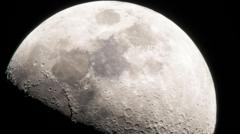
Nasa has outlined its strategy to establish a permanent lunar settlement through robotic precursor missions. The space agency plans to deploy hopping drones and roving vehicles to the Moon ahead of sustained human presence, using these autonomous systems to survey terrain, identify resources, and prepare infrastructure.
The robotic missions serve as reconnaissance and construction tools. Hopping drones will scout landing sites and map subsurface ice deposits, critical for future water extraction and fuel production. Roving vehicles will establish communication networks and position equipment for eventual crewed operations.
This phased approach reflects Nasa's Artemis program objectives. Rather than rushing crewed landings, the agency prioritizes long-term sustainability through technological groundwork. Autonomous systems reduce risk to astronauts while gathering essential data on lunar geology, radiation levels, and resource availability.
The timeline remains ambitious but realistic. Early robotic deployments will occur within the next few years, with the data informing design choices for habitats, life support systems, and mining operations. Nasa coordinates with international partners and private contractors on these missions, leveraging SpaceX's Starship and other commercial launch vehicles.
A permanent Moon base represents a strategic pivot in space exploration. Unlike brief Apollo visits in the 1960s and 1970s, sustained lunar presence enables scientific research impossible from Earth orbit. It also positions the Moon as a staging point for Mars missions and deep-space exploration.
Nasa's investment in robotic systems demonstrates confidence in autonomous technology maturity. These drones and rovers must operate independently in harsh conditions, navigate without real-time human control, and execute complex tasks with minimal communication delay. Success here accelerates the broader automation agenda across space programs globally.