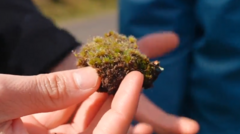
A fungal pathogen that kills invasive moss species offers conservationists a biological control tool to reclaim degraded British habitats. Researchers discovered the fungus attacks non-native moss varieties that have choked out native plants across moorlands and grasslands in the UK.
Invasive mosses, particularly Campylopus introflexus, have colonized vast stretches of upland terrain over the past two decades. The species thrives in acidic soils and spreads rapidly, forming dense mats that block sunlight and nutrients from reaching native vegetation. This transformation has devastated heather moorlands and other sensitive ecosystems that depend on low-growing plants.
The newly identified fungal species shows promise as a natural control mechanism. Scientists found it specifically targets the invasive moss while leaving native species relatively unharmed. This selectivity matters enormously for habitat restoration, where broad-spectrum pesticides would destroy the delicate ecological balance restorers aim to rebuild.
Field trials remain in early stages, but preliminary results suggest the fungus could help restore thousands of acres of degraded moorland. Conservationists have struggled against invasive moss using manual removal and prescribed burns, methods that prove expensive and labor-intensive across large landscapes. A self-sustaining biological control could dramatically change restoration economics.
The discovery aligns with growing interest in leveraging natural enemies to combat invasive species. Rather than fighting biology with chemicals, this approach uses one organism to suppress another, mimicking natural ecological processes.
British conservation groups are watching closely. Restoring heather moorlands remains a priority for protecting endangered birds like red grouse and maintaining the cultural and ecological identity of upland regions. If the fungus proves reliable in field conditions, it could become a cornerstone strategy for reclaiming landscapes lost to invasion.