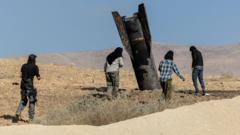
Iran and Israel declared a halt to direct military strikes after exchanging fire for the first time since a ceasefire agreement. The escalation began when Iran launched roughly 30 missiles into Israeli territory in response to an Israeli operation in Lebanon. Israel responded with two separate waves of air strikes targeting Iranian military sites.
Both nations signaled they would cease further attacks, effectively de-escalating tensions that threatened to spiral into wider regional conflict. The exchange marked a significant breach of the existing truce framework, though neither side pursued sustained retaliation after the initial volleys.
The strikes underscored the fragility of peace arrangements in the region. Iran's missile barrage came after what Tehran characterized as Israeli aggression in Lebanon, a key Iranian ally. Israel's response targeted military infrastructure, signaling it would defend against threats but potentially offering a path toward restraint.
International observers noted the critical window for diplomacy. Any further escalation risked dragging in regional powers and destabilizing broader Middle Eastern security. The mutual decision to pause hostilities suggested both governments recognized the costs of expanded conflict, even as underlying tensions remained unresolved.
The incident demonstrated how quickly rhetoric can transform into military action in the region, with each side calibrating responses to project strength without triggering all-out war. Lebanon's position as contested terrain between Israeli and Iranian interests continued to serve as a flashpoint for proxy conflicts and direct confrontation.