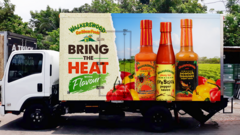
Caribbean hot sauce makers face a production crisis as chilli pepper supplies dry up across Jamaica and the region. Manufacturers warn that shortages will force price increases on shelves within months, threatening a $100 million industry that exports sauces worldwide.
The supply crunch stems from poor harvests tied to unpredictable weather patterns and pest infestations that devastated pepper crops over the past growing season. Jamaican producers, who dominate the Caribbean sauce market with brands sold in North America and Europe, rely heavily on specific Scotch bonnet and habanero varieties that take months to grow and cannot be rushed to market.
"We're looking at a real squeeze," one major manufacturer explained. Without adequate pepper stock, production lines face shutdowns or costly pivots to alternative ingredients that don't deliver the same flavor profile consumers expect.
The crisis hits at a delicate moment. Hot sauce consumption has surged globally, with specialty and artisanal brands carving out premium shelf space. Caribbean producers benefited from this trend, but now face inventory depletion just as demand peaks. Some manufacturers already rationing peppers to key accounts, prioritizing major retailers over smaller distributors.
Prices for finished products will climb 15 to 25 percent by spring if harvests don't improve, industry sources estimate. Consumers accustomed to affordable Caribbean sauces will see sticker shock at checkout. Retailers may reduce SKU counts, pulling smaller brands to make room for established players with deeper pockets to absorb cost increases.
The shortage underscores how climate volatility and agricultural disruption ripple through global food supply chains. Caribbean hot sauce occupies a niche market, but it's one with passionate consumers and significant export revenue for the region. Producers now gamble on weather improving and new plantings maturing before reserves completely empty.