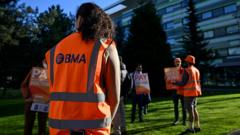
Junior doctors in England begin their 16th strike in June, continuing a protracted battle over compensation that has dragged on for years. The walkouts stem from pay disputes that have left the medical profession fractured and NHS services strained.
Resident doctors, known as junior doctors in the UK system, earn significantly less than their international counterparts. Many work 60-hour weeks for salaries that haven't kept pace with inflation. A junior doctor in their first year earns around 29,000 pounds annually, roughly 21 percent below the 2008 level when adjusted for inflation. Senior registrars fare better but still face steep pay cuts relative to cost of living increases.
The British Medical Association represents these physicians and has orchestrated the strike action. Their central demand remains straightforward: restore pay to 2008 levels adjusted for inflation. The government has offered modest increases, but junior doctors argue these fall short of what they've lost over fifteen years of wage stagnation.
These strikes carry real consequences. NHS waiting lists have grown longer. Emergency departments operate with skeleton crews during walkout periods. Patient care suffers, though both sides blame each other for the impasse. The government maintains it cannot afford larger pay increases without compromising other healthcare services. The BMA counters that junior doctor retention and recruitment have already suffered, with many leaving medicine entirely or emigrating for better-paid positions abroad.
The June action marks escalation in what has become the longest-running junior doctor dispute in NHS history. Previous strikes lasted days; newer actions stretch longer. Each walkout represents physician burnout reaching a breaking point. The broader context involves a NHS under severe financial pressure, competing demands from other healthcare workers seeking better pay, and a government resistant to major spending increases.
This stalemate shows no signs of breaking. Until either side yields on core compensation demands, England's junior doctors remain prepared to continue striking.