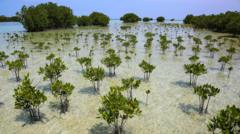
Mangrove forests are recovering in multiple regions after decades of decline driven by coastal development, aquaculture expansion, and logging. The resurgence represents a rare environmental win, offering tangible benefits for both human populations and global climate goals.
Mangroves absorb carbon at rates five to forty times faster than terrestrial forests, making them critical climate infrastructure. A single hectare locks away roughly ten tons of carbon annually. Beyond carbon sequestration, these ecosystems shield coastal communities from storm surge and rising seas, trap sediment that builds land, and provide nurseries for fish species that feed millions. Their recovery matters for food security and disaster resilience in vulnerable nations.
The comeback stems from deliberate restoration efforts and policy shifts. Countries including Indonesia, India, and Bangladesh have launched large-scale replanting programs. Some regions have tightened regulations on shrimp farming and coastal development, allowing degraded areas to regenerate naturally. Community-led initiatives have proven particularly effective, with local fishers and residents taking ownership of restoration work.
Data shows mangrove coverage stabilizing in Southeast Asia and expanding in parts of South Asia after hitting a low around 2000. Satellite monitoring reveals healthier canopy density in restored zones. Yet challenges remain. Total global mangrove loss still outpaces gains in some regions. Climate change threatens these ecosystems with saltwater intrusion, extreme weather, and rising temperatures.
Experts stress that stopping further destruction matters as much as replanting. Converting mangroves to aquaculture or development remains profitable in the short term, and enforcement gaps persist in developing nations. The forest's comeback remains fragile, contingent on sustained funding, political commitment, and local engagement.
The momentum is real but not inevitable. Mangroves need continued protection to cement this turnaround.