Labour faces internal pressure to oust Sir Keir Starmer after the party's disappointing performance in last month's elections, with some MPs openly calling for his resignation. The rebellion reflects deep discontent within the party over electoral losses that have emboldened backbench critics to challenge his leadership directly.
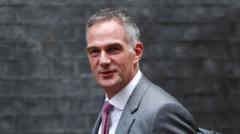
Peter Kyle, a senior Labour figure, warned that the party risks repeating Conservative mistakes by entertaining leadership change discussions in public. He argued that Labour should learn from the Tories' repeated cycle of internal coup attempts and leadership instability, which weakened their grip on power before the general election defeat that brought Labour to office.
The timing complicates Starmer's position. He won a strong general election mandate just months earlier, but recent local and regional results have triggered doubt among some MPs who question whether he can deliver the party's electoral promises. The public disagreement over his future creates the exact kind of damaging internal narrative that Kyle warns against.
Kyle's intervention suggests the party hierarchy recognizes the danger of prolonged leadership uncertainty. The Conservatives' experience with serial leadership challenges under Liz Truss and Rishi Sunak demonstrated how public infighting erodes public confidence and distracts from policy delivery. Labour's top brass appears determined to avoid that trap.
Starmer retains backing from most senior figures and party machinery, but the rebellious voices signal unresolved tensions within the broader membership. Whether Kyle's warning gains traction with dissenting MPs will determine whether this becomes a brief bout of frustration or a sustained threat to Starmer's position. For now, the leadership appears secure, but the party faces a test of discipline and cohesion.