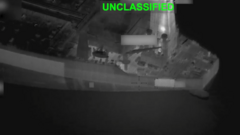
The US and Iran escalated military tensions with fresh strikes after ceasefire negotiations collapsed. American forces conducted attacks on Iranian targets and a commercial oil tanker in the Persian Gulf, while Iran claimed it struck US military bases in the region.
The exchange marks a sharp deterioration in an already fraught relationship. US Central Command confirmed the strikes targeted Iranian military infrastructure, though specifics on damage remain unclear. The attack on the tanker raised alarms about regional shipping security and potential economic fallout from disrupted energy markets.
Iran's retaliatory strikes, announced through state media, signaled Tehran's willingness to escalate beyond cyber operations and proxy forces. The claims came after failed diplomatic efforts to negotiate a ceasefire, leaving both sides in direct confrontation rather than operating through intermediaries.
The breakdown in negotiations removes any diplomatic buffer that had prevented tit-for-tat military strikes. Both nations accused the other of intransigence. The US demanded Iran cease support for regional militias; Iran demanded American military withdrawal from the Middle East.
Oil markets responded to the tanker attack with price volatility. Traders grew concerned about further disruptions to shipping lanes critical for global energy supplies. Insurance premiums for Gulf vessels spiked as underwriters reassessed risk.
The cycle of strikes reflects deeper structural tensions. Neither side appears ready for compromise. The US maintains substantial military presence in the region through bases and naval deployments. Iran views this as occupation threatening its sovereignty and regional influence.
International observers worry the pattern could spiral into open conflict if negotiations don't resume. The UN called for both parties to exercise restraint. European nations urged diplomatic solutions to prevent full-scale war that could destabilize the Middle East and disrupt global trade and energy markets.