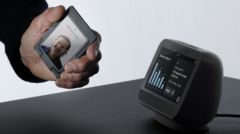
Microsoft is testing wearable AI gadgets designed for office environments as the company explores new hardware forms for workplace productivity. The software giant has deployed prototype devices among its own workforce, including a wearable access badge and a desktop device, signaling a broader push into ambient AI hardware beyond traditional computing.
The wearable badge represents Microsoft's bet that AI assistants can integrate into physical spaces and personal accessories rather than remaining confined to laptops and phones. This aligns with the company's investment in Copilot, its generative AI assistant, which it has aggressively embedded across Microsoft 365, Windows, and enterprise software. The device suggests the company sees office workers as a prime market for hands-free, always-on AI interaction.
The internal testing phase indicates Microsoft is moving cautiously before commercial release. By piloting devices with employees, the company can refine user experience, battery life, privacy protections, and integration with existing workplace infrastructure before broader rollout. This approach mirrors how other tech giants test wearables before mass production.
The move targets enterprise customers directly. Office workers need quick access to information, scheduling assistance, and meeting transcription. A wearable badge with embedded AI could handle these tasks without requiring users to reach for a phone or laptop, potentially boosting productivity metrics that enterprise buyers obsess over.
Microsoft faces competition from rivals pursuing similar strategies. Apple, Amazon, and Google all explore wearable AI experiences. The badge concept also competes with smartphone companions like Samsung's Galaxy Ring and watches already serving office notification functions.
For Microsoft, the stakes involve ecosystem lock-in. Every new hardware form running Copilot strengthens the company's position in enterprise AI. It also demonstrates confidence in its AI capabilities as it competes against OpenAI's partnerships and Google's Gemini push into enterprise.
The internal testing suggests commercial availability could arrive within the next year or two, though Microsoft has not announced timelines. Success depends on worker adoption and demonstrated productivity gains that justify hardware costs in competitive markets.