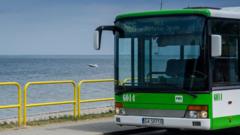
Poland's Hel seaside resort has revived bus route 666, brushing aside objections from Christian groups who deemed the number satanic. The route, which connects the northern coastal town to surrounding areas, had faced pushback based on religious concerns tied to biblical associations with 666.
Local authorities proceeded with restoring the service anyway, treating the designation as a practical transit identifier rather than a theological statement. The number simply follows Poland's standard bus route numbering system. Hel, located on a narrow peninsula in the Baltic Sea, depends on reliable transportation links to ferry tourists and residents between the coastal town and nearby municipalities.
The controversy reflects broader tensions in religiously conservative Poland, where the Catholic Church maintains considerable cultural influence. Christian advocacy groups framed the route number as problematic, but their concerns failed to sway local transit planners who prioritized functional infrastructure over symbolic objections.
The restoration of route 666 underscores a growing divide between institutional religious sensitivities and secular governance priorities in Poland. Transit authorities treated the matter pragmatically, determining that route numbers serve logistical purposes disconnected from spiritual meaning. For Hel residents and visitors, the bus service addresses genuine transportation needs on a geographically isolated peninsula where accessibility matters more than numerological superstition.
The incident gained international attention partly because of its absurdist elements. A coastal resort town literally named Hel getting a bus numbered 666 struck observers as darkly comedic. Yet the local outcome reflected a straightforward decision: practical infrastructure trumps theological objection.