Iran and the United States exchanged direct military strikes across the Persian Gulf in an escalation that marks one of the most dangerous moments in their decades-long standoff. Washington launched strikes targeting Iranian military positions, while Tehran retaliated with its own aerial assault on US facilities in the region.
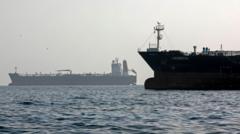
The strikes concentrated around the Strait of Hormuz, one of the world's most critical chokepoints for global oil shipments. Roughly 21% of petroleum traded globally passes through this waterway, making any military confrontation here a threat to energy markets worldwide.
Both nations characterized their actions as defensive responses. The US claimed its strikes targeted Iranian military infrastructure deemed a threat to American forces stationed across the Middle East. Iran's retaliation came swiftly, with officials framing their action as justified pushback against what they called American aggression.
The escalation follows months of rising tensions between Washington and Tehran over Iran's nuclear program, regional militias, and US military presence in the Gulf. Neither side reported casualties or significant damage from the strikes, though both acknowledged direct engagement.
Regional allies expressed alarm. Saudi Arabia and the United Arab Emirates, major oil producers with shipping interests in the Strait, called for de-escalation. Israel monitored developments closely given its own security concerns with Iranian activities.
Crude oil prices spiked on the news. Traders worried that further escalation could disrupt shipping lanes and tighten global supply. Energy markets absorbed the tension but held steady pending additional developments.
Both Washington and Tehran signaled openness to dialogue, though neither showed signs of backing down from military postures. The situation remains fluid, with the Strait of Hormuz serving as a flashpoint for broader US-Iran competition across the Middle East that shows no signs of resolution.